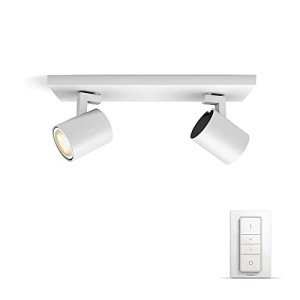
Contemporary Lighting in the UK: Transforming Spaces with Illumination
Lighting plays an essential role in defining the ambiance and performance of any area. In the UK, contemporary lighting has become a significant design element, using innovative solutions that blend aesthetic appeals with functionality. This short article explores the numerous designs, materials, and technologies shaping contemporary lighting, along with ideas for selecting the most suitable fixtures for various settings.
The Evolution of Contemporary Lighting
Contemporary lighting in the UK reflects the altering tastes and technological improvements in design. It encapsulates a wide variety of designs, including:
- Minimalist: Characterized by simpleness and tidy lines, minimalist lighting fixtures concentrate on form and function without unnecessary decorations.
- Industrial: Inspired by urban settings, industrial lighting integrates raw materials like metals and woods with strong designs, creating edgy, practical pieces.
- Scandinavian: Known for its heat and simplicity, Scandinavian lighting typically features soft colors and natural materials, concentrating on developing a cozy environment.
- Smart Lighting: This modern trend integrates technology with style, allowing users to manage their lighting with mobile apps, voice commands, or automation systems.
To illustrate the evolution and variety in the field of contemporary lighting, think about the table below, which highlights key attributes of different styles.
| Design | Secret Characteristics | Popular Materials | Suitable Spaces |
|---|---|---|---|
| Minimalist | Simple, practical designs | Metal, glass, wood | Modern homes, offices |
| Industrial | Raw, incomplete look | Steel, concrete, wood | Lofts, galleries |
| Scandinavian | Comfortable, warm aesthetic appeals | Natural fibers, light wood | Living rooms, coffee shops |
| Smart | Integrated innovation, automation | Differs commonly | Houses, offices, retail areas |
Picking Contemporary Lighting Fixtures
Picking the best lighting fixtures for an area requires mindful factor to consider of numerous aspects. Here are key aspects to bear in mind:
1. Purpose of the Space
Before choosing fixtures, think about the desired use of the area. Various functions require different kinds of lighting:
- Task Lighting: Focused lighting for activities such as reading, cooking, or studying. Examples include table lamps and under-cabinet lights.
- Ambient Lighting: General lighting that provides total lighting. Ceiling lights and pendant fixtures fall under this category.
- Accent Lighting: Designed to highlight particular features or areas, such as art work or architectural details. Wall sconces and mounted lights are common options.
2. Style and Theme
The lighting ought to match the existing decoration. Decide for fixtures that match or enhance the total theme of the space, whether it's contemporary, rustic, or diverse.
3. Size and Scale
Consider the proportion of the lighting fixtures relative to the area. A large chandelier may look sensational above a roomy dining table, while smaller pendant lights work well in compact settings.
4. Energy Efficiency
With increasing energy costs and environmental concerns, selecting energy-efficient lighting options is essential. LED lights are an exceptional choice, using durability and lower energy intake.
5. Versatility
In modern design, versatility is key. Fixtures that can be changed or repositioned boost functionality, allowing users to create different environments as required.
Popular Contemporary Lighting Brands in the UK
The contemporary lighting market in the UK boasts many brand names understood for their innovative styles and quality craftsmanship. Some significant mentions consist of:
- FLOS: An Italian brand celebrated for its creative and iconic light fixtures that frequently double as art pieces.
- Tom Dixon: A British designer recognized for his modern, industrial designs that wonderfully include metal and light.
- Anglepoise: Known for its flexible, practical lamps, perfect for a variety of settings from home workplaces to innovative studios.
- John Lewis: Offers a range of contemporary lighting options that cater to a broader audience, consisting of affordable yet elegant choices.
FAQs about Contemporary Lighting in the UK
1. What is contemporary lighting?
Contemporary lighting refers to lighting styles and fixtures that show present design patterns, typically characterized by tidy lines, ingenious shapes, and making use of modern materials and technologies.
2. How do I pick the ideal lighting for my home?
Consider the purpose of the room, existing design, size of fixtures, energy performance, and flexibility. Evaluate how each piece will add to the overall ambiance and functionality of your area.
3. What are some energy-efficient lighting alternatives available in the UK?
LED lights are the most popular energy-efficient alternative, known for their long life expectancy and low energy usage. lightingandlamps (CFLs) and halogen bulbs are other alternatives.
4. Where can I buy contemporary lighting in the UK?
Contemporary lighting can be discovered in numerous retail outlets, both online and in physical stores. Notable retailers consist of John Lewis, Habitat, and specialized lighting shops.
5. Can contemporary lighting operate in traditional spaces?
Definitely! Contemporary lighting can enhance traditional spaces when selected attentively. Choosing fixtures with a balance between modern and traditional elements can develop a harmonious design.
Contemporary lighting in the UK represents more than simply illumination; it embodies design innovation and imagination, changing spaces and improving performance. As patterns continue to progress, homeowners and designers alike can explore an expansive variety of styles and innovations, making sure that every room bursts with life, heat, and character. By considering the vital factors laid out in this article, one can curate a collection of lighting fixtures that resonates with personal design and satisfies practical requirements, ultimately forming comfy and aesthetically attractive environments.